
Unplanned urbanization is an obstacle to sustainable development

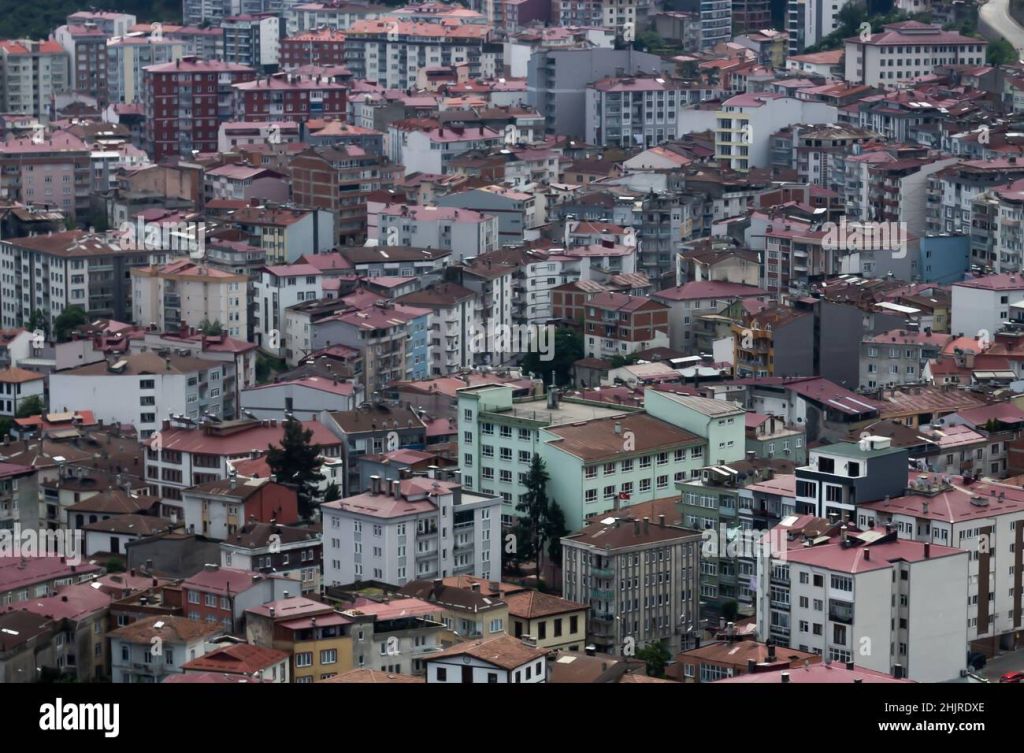
In the modern era, people are constantly moving to cities in the hope of a diverse and prosperous life. We are constantly seeing that the level of pressure on cities is increasing as the days go by. Since cities have more comparative facilities than villages, a certain number of people flock to cities every year. Some are in search of education, some are in search of jobs, while many have to move to cities due to various problems. As a result, local governments have to struggle to maintain urban order, plan implementation, budget allocation, changes in administrative infrastructure, and economic balance. To get rid of such a situation, the government is seen taking various steps under the title of ‘Sustainable Cities and People’ in the 11th goal of the SDGs. Still, it seems that the solution to urban-based problems does not want to end. The current urban system is full of various problems, including noise pollution, air pollution, traffic congestion, water pollution, mosquito habitat, and poor waste disposal. The reason for such a dire situation in the city can be identified as the migration of excess people to the city in the hope of getting more facilities.
In such demanding conditions of the divisional cities, it is a groundbreaking challenge for the government to take steps to provide city facilities to every village. As a result of unplanned urbanization in the country, several lakh hectares of land have already been lost to illegal settlements. As a result, it is not possible to implement various important plans due to a lack of sufficient space in the city. On the other hand, the government is forced to integrate the residential villages surrounding the city into the city plan to create foreign investment areas. The implementation process of an economic zone in Sitakunda, the largest economic zone in South Asia. The matter can be clearly understood by looking at the coal power project and the EPZ zone of the country. A large part of the biodiversity, including river filling, is under threat due to the impact of ongoing unplanned urbanization. The opposite rule of the contemporary discussed urbanization policy is the effort to keep the main budget source of a country in check and control other factors that affect it.
In this situation, the reason for the current urbanization policy implementation paradox is somewhat different. For example, Bangladesh is an agricultural country. The economy of this country is based on agriculture. But to keep pace with the developed world, there is a need to acquire skills in agricultural work as well as technical knowledge. Now, if the technological advancement process creates control over the country’s total budget, that is, the agricultural-based index, then various disorders are created in meeting the basic needs of the country. And in the context of the city, this is the ‘paradox of the ongoing urbanization policy’. In simple terms, as a result of rapid urbanization, hundreds of hectares of cultivable land are entering various mills and factories every year, resulting in massive changes in the agricultural economy. Its impact takes a negative form in the national budget. The impact is even more terrible when various types of natural disasters occur in the world due to technological failures and global warming. Studies in the last few years have shown that crops on more than several hundred thousand hectares of land have been destroyed due to natural disasters such as floods, cyclones, droughts, heavy rains, salinity, etc. Then it is seen that despite the country’s infrastructural changes, the situation of natural disasters and corruption in the implementation of essential planning policies are constantly consuming important domestic solutions. On the one hand, crops are being destroyed in natural disasters; on the other hand, agricultural land is being destroyed due to the unplanned effects of urbanization. So, how will people deal with a possible food crisis? The population of Dhaka city is more than 12 million. It is not possible to ensure adequate food, housing, and other facilities for this huge population. The most important thing is that the existing laws are not used properly. High-rise apartments are set up to solve the housing problem. But in fact, it is seen that these structures are causing bad conditions in terms of dense population. Due to a lack of planning, large apartment buildings, offices, courts, etc, are being built here and there, resulting in various problems, starting from environmental pollution.
Unplanned urbanization is creating a crisis of safe housing for city dwellers; Likewise, it is threatening normal living by damaging the social and surrounding environment. Therefore, it is important to ensure an adequate supply of all types of urban amenities, including increasing the necessary facilities for the city dwellers. More than half a crore trees have already been cut down to implement the national grid power project on Kutubdia Island, including the construction of the Dhaka-Cox’s Bazar railway line and highway, and the establishment of the Rooppur Nuclear Power Plant, which is threatening the habitat of coastal organisms and causing water pollution, and we are going to enjoy the results in a very short time. The only reason for such an environmental disaster is the failure of the authorities to take responsible steps to implement sound plans. Due to this, the average temperature in this country is increasing, and the incidence of natural disasters is also increasing. Bangladesh is one of the most populous countries in the world. Although this country is fertile in terms of agriculture, it does not have enough mineral resources to trade internationally. The amount of mineral resources that exist delays meeting the needs of the people of the country. As a result, agricultural land has to be used as an alternative. However, due to natural disasters and unplanned urbanization, agricultural land is also decreasing constantly. Meanwhile, the government has to work through various projects to implement the ongoing urbanization policy. As a result, the loan rate in foreign investment agreements is also increasing.
By solving these problems in the country, an environment must be created for the people to acquire different qualitative skills. District-based cities must be further strengthened through the development of communication systems, so that the additional burden on divisional cities is reduced, and the government must work to ensure the facilities of fundamental rights in terms of movement. Because if fundamental rights are ensured, there will be no need for the painstaking efforts to implement the urbanization policy. As a result, the implementation of various projects will not create obstacles to maintaining the balance of the environment. Therefore, it can be said that rather than developing the country through the implementation of urbanization policies, it is possible to build an ideal country through skilled manpower and the implementation of fundamental rights.
Author: Monem Shahriar Shown
Columnist
General Secretary, BTCLF, University of Chittagong.