
Rohingya Crisis and Regional Geopolitics

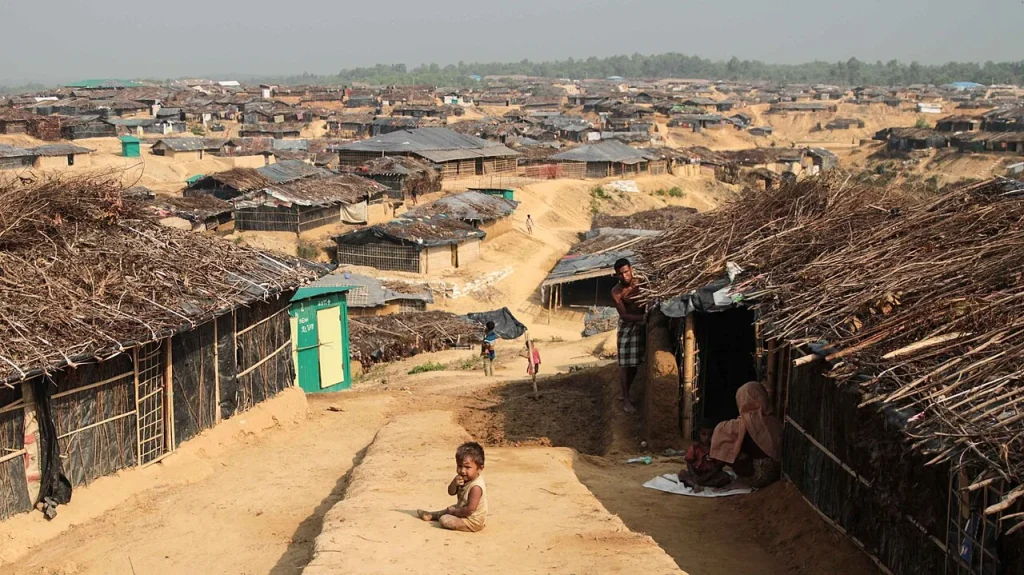
The Rohingya crisis is no longer a humanitarian challenge. It has become a major geopolitical issue, with competing global and regional powers seeking to expand their influence in Myanmar’s Rakhine State and the wider Bay of Bengal.
China continues to back Myanmar’s military regime largely to safeguard its strategic investments, particularly the Kyaukphyu deep-sea port and the China–Myanmar Economic Corridor under the Belt and Road Initiative. These projects provide Beijing with an alternative energy route that reduces its dependence on the Malacca Strait. This strategic interest has also shaped China’s position in international forums, where it has consistently opposed stronger action against Myanmar’s junta.
The United States and its Western allies, meanwhile, have responded through sanctions, diplomatic pressure, and humanitarian engagement, making the Rohingya issue another arena of strategic competition. India is equally invested, as instability in Rakhine threatens its Kaladan Multi-Modal Transit Transport Project, a key initiative linking its northeastern states to the Bay of Bengal. To protect its interests, New Delhi has maintained contacts with both the military authorities and ethnic armed groups, including the Arakan Army.
ASEAN has also failed to facilitate meaningful progress. Its principle of non-interference, coupled with internal divisions between member states prioritising humanitarian concerns and those favouring strategic and economic ties with Myanmar, has weakened its collective response.
For Bangladesh, the consequences are severe. With around 1.2 million Rohingya refugees living in Cox’s Bazar and international humanitarian assistance steadily declining, the economic, environmental, and security pressures continue to mount. As Myanmar’s civil war persists, prospects for safe, voluntary, and dignified repatriation remain distant, increasing the risk of a prolonged “frozen crisis.”
Bangladesh should therefore continue pursuing a balanced diplomatic strategy while urging major powers to prioritise a durable political solution. Ultimately, lasting peace will depend on restoring stability in Rakhine and ensuring the Rohingya are guaranteed safety, citizenship, and dignity. Only then can the world’s largest refugee crisis move towards a sustainable resolution.